
Let me say the quiet part out loud: most clients aren’t hiring you because you have a “great voice.”
They assume you do.
What they’re really hiring you for?
How easy you make their life from the moment they hit “send” on that project email.
I’ve worked with enough production teams to notice a pattern—what they say they want and what they actually value aren’t always the same thing. And if you’re only focused on performance, you’re missing the bigger opportunity.
This post is about the unspoken expectations. The stuff nobody puts in the casting notes… but absolutely factors into whether you get hired again.
They Want You to Make Their Job Easier

Production companies aren’t just producing—they’re juggling timelines, client expectations, revisions, budgets, and about twelve other fires at once.
When they bring in a voice actor, they’re not looking to add complexity. They’re looking to remove it.
That means:
What “making their job easier” actually looks like:
- Delivering clean, broadcast-ready audio (no extra editing needed)
- Naming files clearly and correctly the first time
- Following directions without needing multiple clarifications
- Anticipating needs before they ask
I’ve had clients tell me straight up:
“We went with you because we knew we wouldn’t have to babysit the process.”
That’s not about tone. That’s about trust.
Takeaway:
👉 If working with you feels like a shortcut instead of a task, you’re already ahead of most voice actors.
They Want Options Without Having to Ask
Here’s something that rarely gets said—but always gets appreciated:
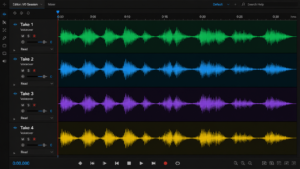
Clients love options… they just don’t always want to ask for them.
Because asking for options feels like:
- More back-and-forth
- More time
- More risk of delays
So when you proactively give them range?
You instantly become easier to work with.
What this looks like in practice:
- Two distinct reads (subtle vs. more energetic)
- Slight pacing variations
- A safe option and a creative option
You’re not overwhelming them—you’re empowering them.
And more importantly… you’re saving them from having to come back and request revisions.
Takeaway:
👉 When you provide thoughtful options upfront, you reduce friction—and that’s what clients remember.
They Want You to “Get It” Quickly

No one wants to spend 20 minutes explaining tone.
Not because they don’t care—but because they don’t have time.
When a client sends over a script, what they’re really hoping is:
“Please just get it.”
That means understanding:
- The audience
- The intention behind the message
- The emotional tone without needing it spelled out
This is where your experience—and honestly, your instincts—start to matter more than your vocal range.
How you demonstrate this:
- Your first take is already 80–90% there
- You ask smart clarifying questions (not obvious ones)
- You reference the brand or context when needed
That’s the difference between someone who reads scripts… and someone who understands communication.
Takeaway:
👉 The faster you “get it,” the faster you become someone they trust to handle more work.
They Want Reliability Over Raw Talent

This one surprises newer voice actors.
You’d think talent wins every time.
It doesn’t.
Because from a production standpoint, unpredictable talent is a liability.
A voice actor who is:
- Slightly less dynamic
- But always on time
- Always responsive
- Always delivers clean files
…will often beat out someone more “talented” who’s inconsistent.
I’ve seen it happen. I’ve benefited from it.
Reliability shows up as:
- Fast response times (even if just to acknowledge receipt)
- Consistent turnaround
- Clear communication if something changes
- No surprises
It’s not flashy. But it’s valuable.
Takeaway:
👉 Consistency builds more long-term work than talent alone ever will.
They Want You to Be Easy to Direct

Here’s a big one—especially for live sessions.
Clients don’t want resistance.
They don’t want ego.
They don’t want to feel like they’re navigating a personality.
They want collaboration.
Being easy to direct doesn’t mean being passive. It means being adaptable.
What that looks like:
- Taking direction without overthinking it
- Adjusting quickly without needing long explanations
- Keeping the energy positive and focused
- Not getting defensive if changes are needed
At the end of the day, the voice actor is part of a larger creative machine.
The smoother you integrate into that machine, the more valuable you become.
Takeaway:
👉 The best voice actors aren’t just performers—they’re collaborators.
They Want to Trust You Without Thinking About It

This is the endgame.
The real goal isn’t just to deliver a great read—it’s to become someone they don’t have to think about.
Because in production, mental bandwidth is everything.
If a client can say:
“We’ve got Cecil on this—we’re good.”
You’ve won.
That kind of trust comes from stacking all the previous points:
- You make their job easier
- You provide options
- You get it quickly
- You’re reliable
- You’re easy to direct
At that point, you’re no longer just a vendor.
You’re part of their workflow.
And that’s where repeat work—and real relationships—live.
Takeaway:
👉 The ultimate goal isn’t to impress clients—it’s to remove yourself as a concern.
Final Thoughts: It’s Bigger Than the Voice

Here’s the part that’s becoming even more real in the age of generative AI:
A “good voice” is becoming easier to replicate.
But:
- Judgment
- Communication
- Reliability
- Collaboration
Those are still very human advantages.
And they matter more than ever.
If you’re a voice actor focused only on how you sound, you’re competing in a crowded space.
If you’re focused on how you operate?
You stand out.
Want to Work With Someone Who Gets It?
If you’re part of a production team juggling timelines, revisions, and client expectations—I get how much smoother things run when your voiceover process just… works.
You can check out more of my work here:
👉 https://cecilarchboldvo.com/
And if you’re interested in more behind-the-scenes thoughts like this, you can explore the blog here:
👉 https://www.archboldmediaservices.com/
If this hit home—or you’ve got your own “unspoken expectations”—I’d love to hear them. Drop a comment or share your perspective.
And if you’re looking for a voice actor who’s not just focused on the read, but the entire experience… you know where to find me.